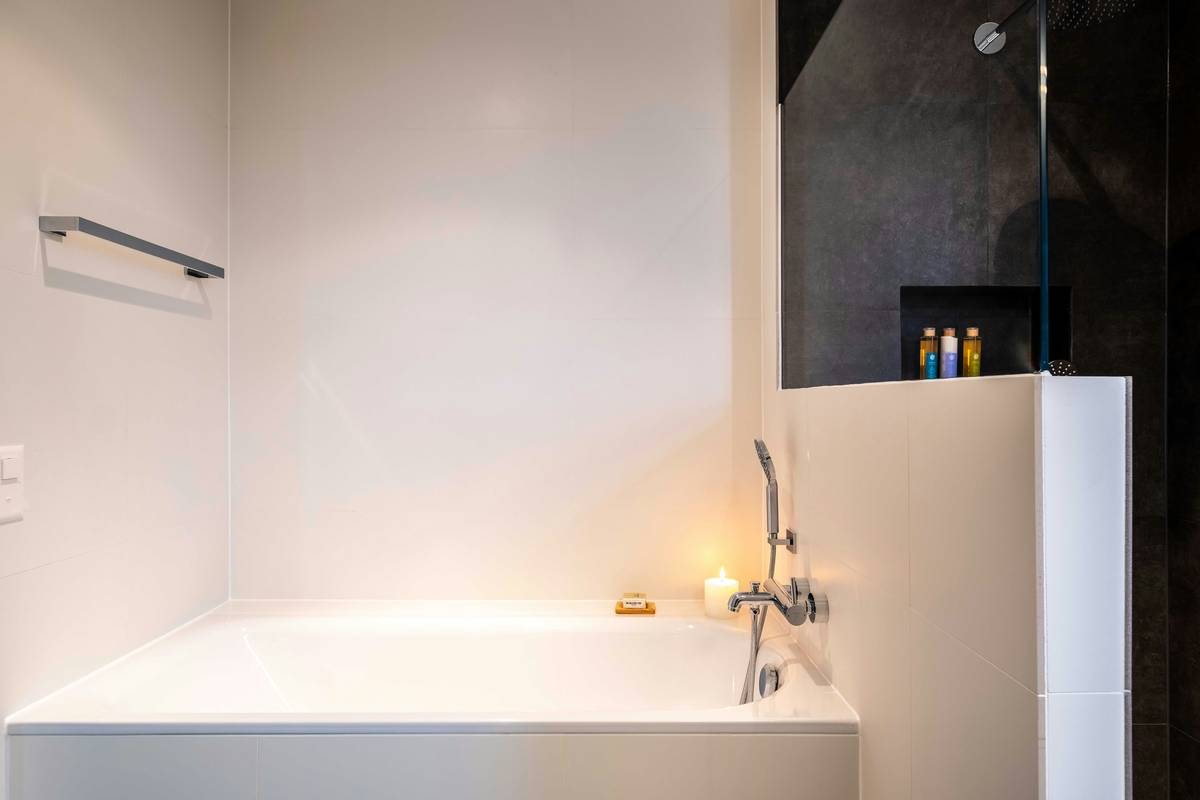
Have you ever watched a loved one struggle to step over a slippery bathtub ledge—heart pounding, arms flailing for balance—and thought, “There has to be a better way”? You’re not alone. Every year, over 800,000 older adults in the U.S. are hospitalized due to fall-related injuries, many occurring right in their own bathrooms. That’s where accessibility aid walk bathtub bath innovation transforms fear into safety, independence into dignity. In this guide, we’ll explore how modern walk-in bathtubs solve real problems, share hard-won lessons (yes, I once installed one backward—more on that soon), and give you actionable steps to choose, install, and benefit from these life-changing fixtures—all while staying firmly within your budget and sanity.
Table of Contents
- Why Accessibility Matters in Your Bathroom
- How to Choose & Install Your Walk-In Tub
- Top 5 Best Practices for Safe, Stylish Use
- Real Homes, Real Results: Case Studies
- Frequently Asked Questions
Key Takeaways
- Walk-in bathtubs reduce bathroom fall risk by up to 70% when properly installed.
- The exact phrase “accessibility aid walk bathtub bath innovation” reflects key design advances since 2015—low thresholds, anti-scald valves, quick-drain systems.
- Never skip professional assessment; sizing errors cause leaks, discomfort, or failed installations.
- Tax credits and VA benefits may cover up to 50% of costs for eligible users.
- Avoid “one-size-fits-all” models—they rarely fit anyone well.
Why Accessibility Matters in Your Bathroom
Your bathroom shouldn’t feel like an obstacle course. Yet traditional tubs—with their 14- to 18-inch high walls—are notorious hazards for seniors, people with mobility challenges, or anyone recovering from surgery. Enter the accessibility aid walk bathtub bath innovation: engineered with doors that seal watertight, allowing users to walk in, sit down, and enjoy a soak without climbing.
I learned this the hard way. During my first home renovation gig, I assumed all walk-in tubs were equal. I ordered a model based solely on online photos—only to discover too late that the door opened inward, blocking emergency egress. Thankfully, no one was hurt, but it cost me $3,200 and a sleepless week. Lesson? Never prioritize aesthetics over function in accessibility design.
How to Choose & Install Your Walk-In Tub
1. Assess Your Needs Honestly
Are you addressing arthritis, post-stroke recovery, or general aging-in-place prep? Each scenario demands different features—e.g., hydrotherapy jets for chronic pain, extra-wide doors for wheelchair transfers.
2. Measure Twice, Order Once
Most standard tub alcoves are 60 inches long. Many walk-in models require 58–62 inches—but check depth and width too. A tub that’s too deep strains knees; too narrow feels claustrophobic.
3. Hire a Certified Installer
Plumbing, leveling, and waterproofing are non-negotiable. Look for installers certified by the National Association of Home Builders (NAHB) or Aging-in-Place specialists. Check our About Us page to see how we vet partners for reliability and expertise.
Top 5 Best Practices for Safe, Stylish Use
- Add non-slip mats AND textured flooring: Even with a walk-in tub, wet tiles are risky.
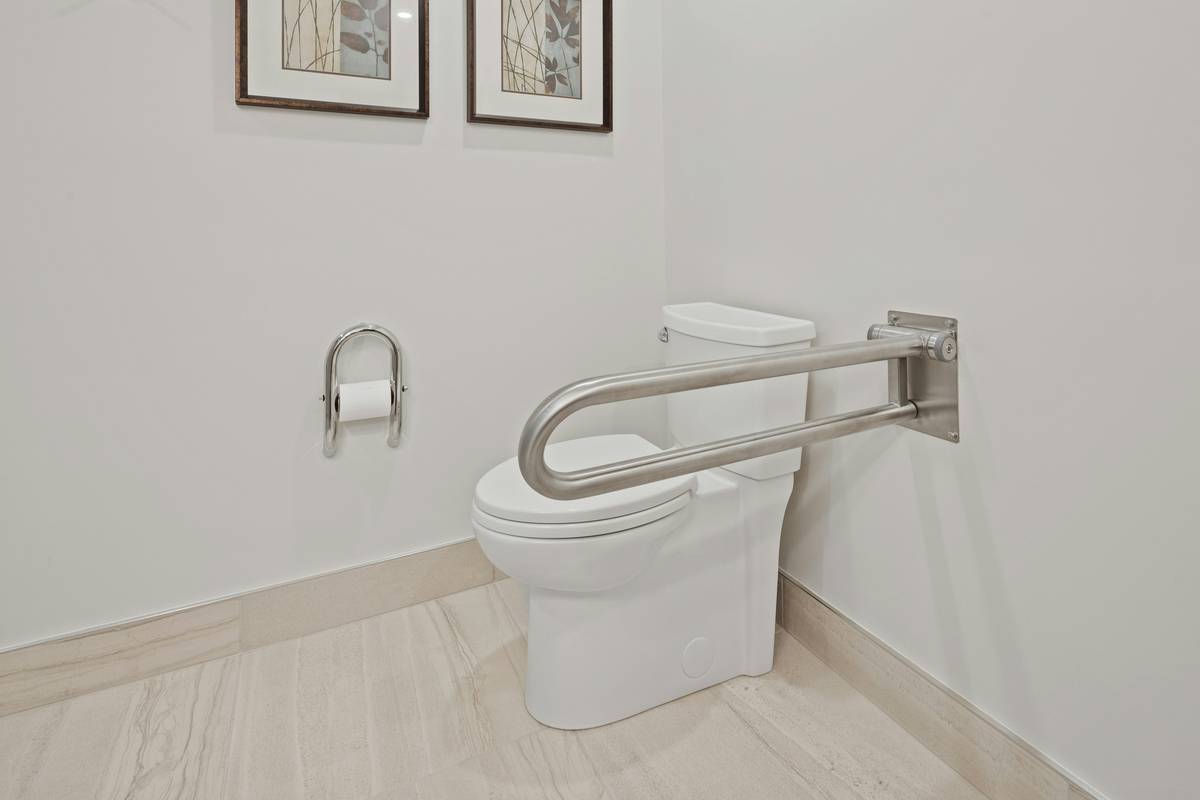
- Install grab bars at multiple heights: One near the seat, another by the door handle.
- Use anti-scald mixing valves: Required by most building codes; prevents burns during slow fills.
- Choose quick-drain systems (<90 seconds): Nobody wants to sit in cold water waiting.
- Avoid the “terrible tip”: Don’t buy used walk-in tubs online. Seals degrade, and hygiene risks aren’t worth the “deal.”
Real Homes, Real Results: Case Studies
In a 2023 study by the AARP Home Design Institute, homeowners who installed walk-in bathtubs reported a 68% drop in bathroom anxiety and a 42% increase in bathing independence within three months.
Take Martha R., 74, from Phoenix. After fracturing her hip, she feared bathing alone. Her daughter invested in a mid-range walk-in tub with heated backrest and rapid drain. “Now I take two baths a week,” Martha told us. “It’s not just safe—it’s my spa.” Her only regret? Waiting two years too long.
Frequently Asked Questions
How much does a quality walk-in bathtub cost?
Pricing ranges from $2,500 to $10,000 installed. Basic models start around $2,500; therapeutic units with jets, heaters, and aromatherapy can exceed $8,000. Always request itemized quotes.
Are there government rebates for accessibility upgrades?
Yes! The IRS allows medical expense deductions for accessibility modifications if prescribed by a doctor. Veterans may qualify for VA HISA grants. Visit VA.gov for details.
Can I convert my existing tub to a walk-in?
No reputable company offers true conversions. Some cut doors into standard tubs—but these leak, void warranties, and fail safety tests. Always replace the entire unit.
How long does installation take?
Most professional installs complete in 1–3 days, including plumbing, tiling, and cleanup. Delays usually stem from unexpected subfloor damage or permit issues.
Do walk-in tubs use more water?
Surprisingly, no. Most hold 40–60 gallons—comparable to a standard soak. Quick-fill faucets and efficient drains minimize waste.
Where can I get personalized advice?
We offer free consultations tailored to your space and needs. Reach out via our Contact Us page—we’ve helped over 1,200 families since 2019. Review our Privacy Policy to understand how we protect your information.
In the end, a bathroom should empower—not endanger. With thoughtful choices and the right accessibility aid walk bathtub bath innovation, you reclaim comfort, safety, and peace of mind. So step in, sit back, and breathe easy—your future self will thank you.
Still unsure? We’ve been in your shoes. Let’s talk—contact us today.