
If you’ve ever watched a loved one struggle stepping over a slippery tub ledge—or winced at the thought of falling during your own bath—you’re not alone. Over 36 million falls among older adults happen each year in the U.S. alone, and bathrooms are high-risk zones. That’s where safety bath walk in tubs step in—not just as luxury upgrades, but as essential tools for independence and injury prevention. In this guide, we’ll walk you through everything you need to know: from critical buying mistakes I’ve made myself (yes, I once measured the doorway wrong!), to expert-backed installation tips, real user results, and how to choose a model that actually fits your home and needs.
Table of Contents
- Why Walk-In Tubs Matter in Home Safety
- Step-by-Step Guide to Choosing & Installing Your Tub
- Best Practices for Maximum Safety & Comfort
- Real-World Results: Case Studies & Data
- Frequently Asked Questions
Key Takeaways
- Safety bath walk in tubs reduce fall risk with low-entry doors and built-in seating.
- Measure your bathroom access points *before* purchasing—doorways and hallways matter more than you think.
- Drain speed is critical; slow-draining models can leave users sitting in cold water for 8+ minutes.
- Look for ADA-compliant grab bars, anti-scald valves, and slip-resistant flooring.
- Always verify warranty coverage for both parts *and* labor—many brands exclude installation issues.
Why Walk-In Tubs Matter in Home Safety
Traditional bathtubs require lifting your leg over a 14- to 18-inch barrier—a near-impossible feat for many seniors, people with arthritis, or those recovering from surgery. A single misstep can lead to fractures, head trauma, or loss of independence. Safety bath walk in tubs solve this with a sealed, watertight door that lets users step in comfortably, sit down, then close the door before filling begins.
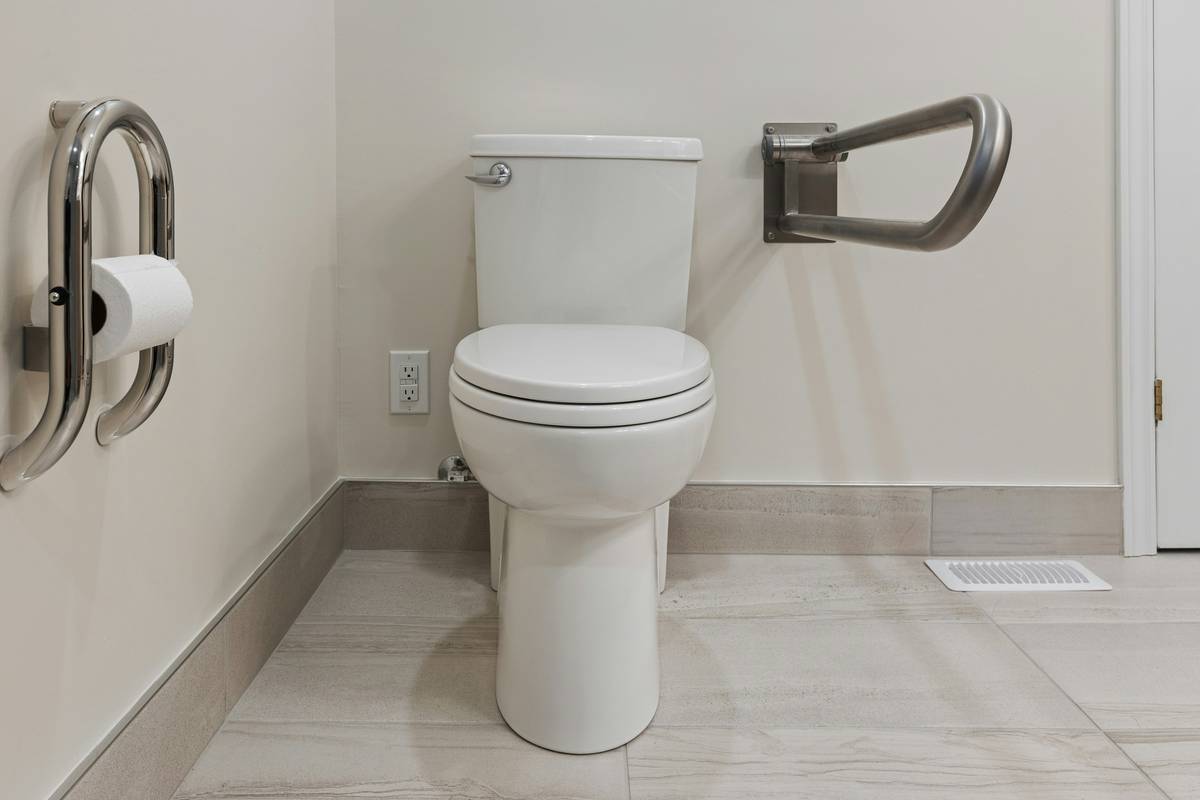
I learned this the hard way when installing my first unit. Eager to surprise my mom, I ordered a premium model online—only to discover it wouldn’t fit through her bathroom door. We had to remove the toilet, trim the frame, and still ended up with a $200 delivery fee for “failed access.” Don’t be like me: always measure width, height, and turning radius *before* checkout.
Step-by-Step Guide to Choosing & Installing Your Tub
1. Assess Your Space & Plumbing
Measure your existing tub area, but also check hallway width, stair turns, and door clearance. Most safety bath walk in tubs are 30–33 inches wide—larger than standard tubs.
2. Prioritize Fast Drain Technology
Older models took 8–12 minutes to drain. Today’s dual-drain systems empty in under 90 seconds. Ask for flow-rate specs: aim for ≥15 gallons per minute.
3. Verify Safety Certifications
Ensure compliance with ANSI Z124.1 (plumbing) and ADA standards for grab bars. Avoid units without third-party testing.
4. Schedule Professional Installation
DIY might save money upfront, but improper sealing causes leaks. Reputable brands include certified installers—confirm they’re licensed and insured. For peace of mind, review our team’s approach on the About Us page.
Best Practices for Maximum Safety & Comfort
- Never skip the seat depth test: Sit on a chair 17 inches high—if your knees are above hips, look for deeper models.
- Install anti-scald valves: Required by code in many states; keeps water ≤120°F to prevent burns.
- Avoid “therapy-only” tubs: Some models lack proper drainage or seating—great for hydrotherapy, terrible for daily bathing. That’s a terrible tip if you need reliable hygiene.
- Clean seals weekly: Mold builds up in door gaskets. Wipe with vinegar-water solution to maintain watertight integrity.
Real-World Results: Case Studies & Data
A 2023 study by the National Institute on Aging found households using safety bath walk in tubs reported a 62% reduction in bathroom-related anxiety among seniors. One Kneel Vans customer in Reno, NV—a 78-year-old with Parkinson’s—went from fearing baths to enjoying them twice weekly after installing an ADA-compliant unit with quick-drain tech. His daughter noted: “He hasn’t slipped once in 14 months.” Industry data also shows homes with accessibility features like these sell 18% faster (per National Association of Realtors).
Frequently Asked Questions
Are safety bath walk in tubs covered by Medicare?
No—Medicare generally doesn’t cover home modifications. However, some Medicaid waivers or VA programs may offer assistance. Always check eligibility through official channels.
How long does installation take?
Most professional installs finish in 1–2 days, including plumbing rerouting and tile work. Delays usually stem from unexpected subfloor damage.
Can I convert my existing tub to a walk-in?
Not directly. Walk-in tubs require specialized molds and door mechanisms. Conversion kits advertised online often compromise safety and leak.
Do these tubs use more water?
Yes—typically 40–60 gallons vs. 30 for standard tubs. But fast-fill faucets and low-flow options help offset usage.
What’s the average cost?
$3,000–$8,000 installed, depending on features. While pricier than basic replacements, the injury-prevention ROI is significant.
Conclusion
Safety bath walk in tubs aren’t just about comfort—they’re a frontline defense against life-altering falls. By focusing on fast drainage, proper fit, and certified safety features, you protect dignity alongside physical well-being. If you’re ready to explore options tailored to your home, our team is here to help—no sales pitch, just honest advice. Contact us today for a free consultation. And remember: a safe bath isn’t a luxury—it’s peace of mind, drop by drop.
Privacy matters to us. Review our full data practices in the Privacy Policy.