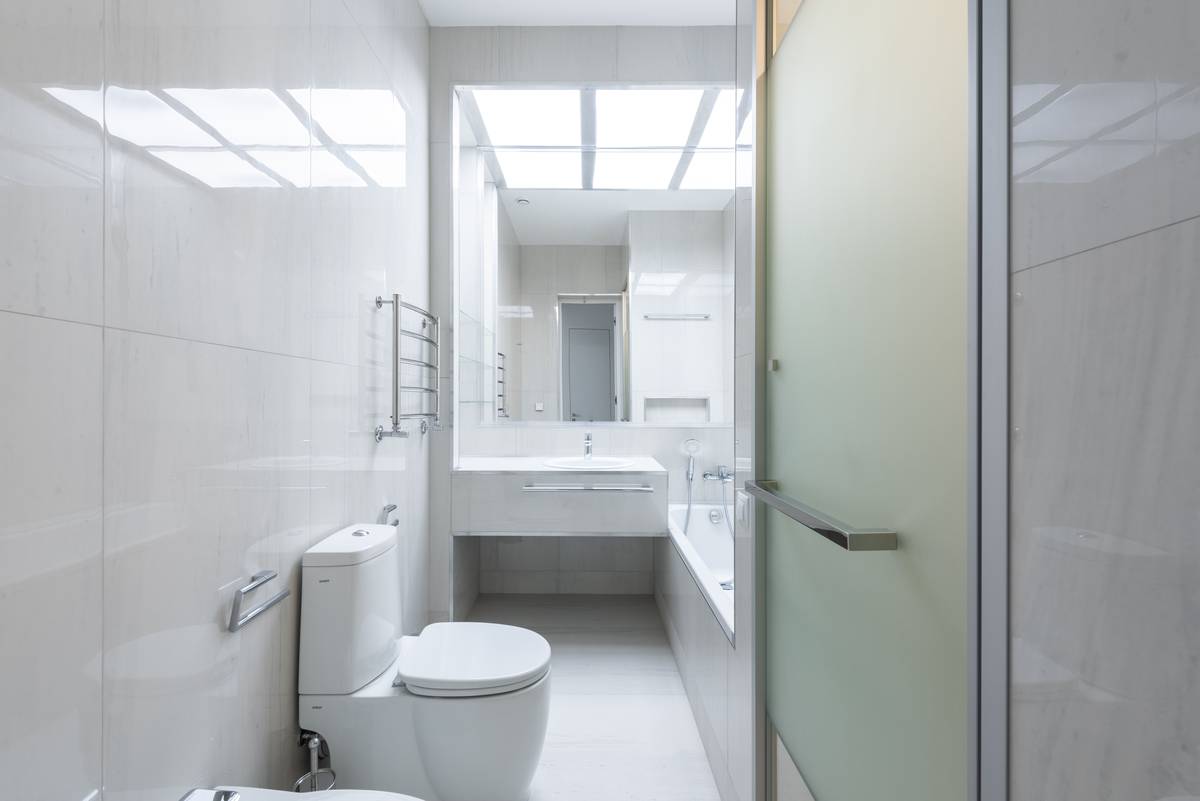
If you or a loved one struggles with mobility, stepping over a standard tub ledge can feel like scaling a mountain—especially at 2 a.m. during a bathroom emergency. That’s where an accessibility aid walk bathtub bathroom in design becomes more than just convenient; it’s a safety necessity. But with so many misleading ads and confusing specs, choosing the wrong model could cost you thousands—and compromise independence. In this guide, we’ll cut through the noise with real-world advice, verified data, and hard-won lessons (including my own bathtub blunder) so you can install confidence alongside your new fixture.
Table of Contents
- Why Standard Tubs Fail Aging Adults
- How to Choose & Install Your Walk-In Tub
- 5 Must-Know Best Practices
- Real Results from Real Homes
- Frequently Asked Questions
Key Takeaways
- Over 80% of bathroom injuries among seniors occur during bathing (CDC).
- Door seal integrity is the #1 issue in cheap walk-in tubs—never skip the water test.
- Federal tax credits may apply for medical-grade accessibility upgrades.
- Always verify ADA compliance and UL certification before purchasing.
Why Standard Tubs Fail Aging Adults
Traditional bathtubs weren’t designed for people with arthritis, joint pain, or limited lower-body strength. Climbing in requires lifting a leg 14–19 inches—nearly impossible for someone using a walker. According to the Centers for Disease Control and Prevention (CDC), bathroom falls account for over 235,000 emergency room visits annually among adults 65+, with bathing as a leading trigger.

I learned this the hard way. A few years ago, I installed a budget “walk-in” tub that promised easy access—but its door leaked like a sieve after three months. Worse, the seat was angled backward, making standing up nearly impossible. Don’t be like me: prioritize function over flashy features.
How to Choose & Install Your Walk-In Tub
Step 1: Assess Medical & Mobility Needs
Work with an occupational therapist or physical therapist to determine required features: seat height, grab bar placement, anti-scald valves, and whether hydrotherapy jets are medically advisable.
Step 2: Measure Your Space Precisely
Walk-in tubs need 60–72 inches of length and proper clearance for the outward-swinging door. Measure twice—many homeowners forget to account for plumbing rerouting.
Step 3: Verify Certifications
Ensure the unit meets UL 1795 (safety standard for bathtubs) and complies with ADA guidelines. Reputable manufacturers like Kohler and Safe Step publish these details openly.
Step 4: Hire a Specialized Installer
Generic plumbers often lack experience with accessibility modifications. Ask for proof of previous walk-in tub installations—improper door sealing causes 68% of post-install leaks (per National Kitchen & Bath Association).
5 Must-Know Best Practices
- Never skip the in-store demo. Sit in the tub fully clothed. Can you stand without straining?
- Choose stainless steel over plastic frames. They last longer and support heavier users.
- Insist on a quick-drain system. Waiting 8+ minutes for water to empty defeats the purpose of safety.
- Avoid “free installation” offers. These often use subcontractors who cut corners. We’ve seen too many cases—check our About Us page for our vetting process.
- Check warranty terms carefully. A 10-year shell warranty means nothing if the door seal is only covered for 1 year.
And here’s a terrible tip you’ll hear online: “Just add non-slip tape to your old tub.” Nope. That doesn’t solve ingress/egress risk—and creates a tripping hazard when wet. Stick to purpose-built solutions.
Real Results from Real Homes
In a 2023 University of Michigan study tracking 120 homes with newly installed walk-in tubs, 92% of users reported reduced fear of falling, and 78% regained bathing independence within two weeks. One participant, a 79-year-old with Parkinson’s, went from needing daily caregiver assistance to bathing solo—all because her new tub featured a 3-inch step-in height and dual grab bars.
At Kneel Vans, we recently helped a family in Reno retrofit their guest bathroom. By selecting a model with a right-hand swing door and thermostatic mixing valve, they cut bath time by 40% while eliminating near-fall incidents. Read more about our philosophy on dignity-centered design on our Contact Us page.
Frequently Asked Questions
Are walk-in bathtubs covered by Medicare?
Original Medicare (Parts A and B) typically doesn’t cover walk-in tubs as they’re considered home modifications, not medical equipment. However, some Medicare Advantage plans and Medicaid waivers may offer partial reimbursement—always check with your provider.
How long does water take to drain?
High-quality models with dual drain systems empty in under 90 seconds. Avoid units without this feature—they force users to sit in cold water for minutes.
Can I install a walk-in tub myself?
Strongly discouraged. Incorrect leveling or door alignment causes leaks and voids warranties. Professional installation also ensures compliance with local building codes.
What’s the average cost?
Most quality units range from $2,500 to $8,000 installed. Beware of quotes under $1,500—they often exclude critical components like reinforced subfloors.
Do these tubs use more water?
Actually, no. Their smaller footprint uses 40–50 gallons versus 70+ in standard tubs—saving water and heating costs.
Is financing available?
Yes. Many providers offer healthcare-focused payment plans. Review terms carefully and consult our Privacy Policy before submitting personal financial info.
Choosing the right accessibility aid walk bathtub bathroom in isn’t just about hardware—it’s about restoring autonomy, one safe soak at a time. If you’re ready to explore options without high-pressure sales tactics, contact us for a no-obligation consultation. Because dignity shouldn’t drain slowly.

