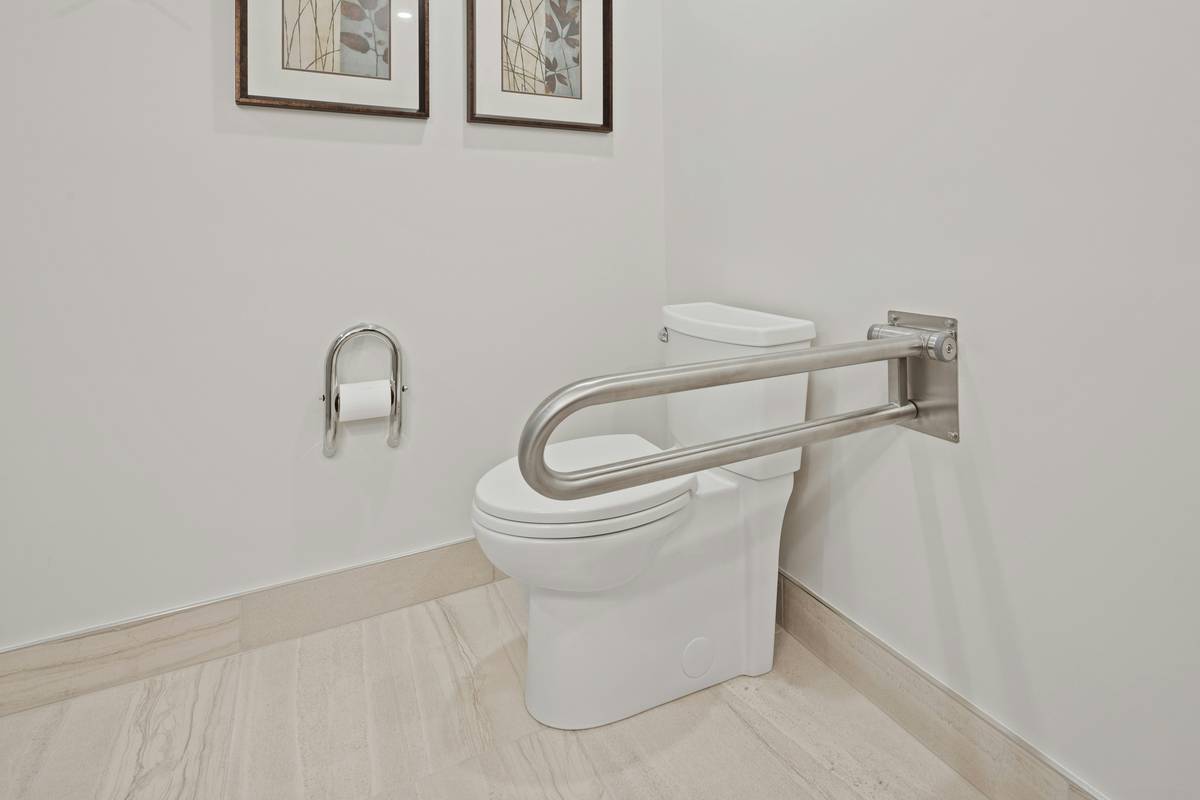
If you or a loved one struggles with stepping over a high tub ledge, you’re not alone—over 36 million older adults fall each year, and bathrooms are among the most hazardous rooms in the home. For many, traditional bathtubs pose serious mobility risks. That’s where an accessibility aid walk bathtub how to guide becomes essential—not just for safety, but for restoring dignity and independence during daily routines.
In this post, we’ll walk you through everything you need to know about choosing, installing, and using walk-in bathtubs safely and effectively. From avoiding rookie errors (yes, I made one myself) to insider tips from industry pros, this is your no-fluff roadmap to aging in place confidently.
Table of Contents
- Why Walk-In Bathtubs Matter in Home Accessibility
- Step-by-Step Guide to Selecting and Installing Your Walk-In Tub
- 5 Best Practices for Safe, Long-Lasting Use
- Real-Life Impact: Case Studies & Verified Outcomes
- Frequently Asked Questions
Key Takeaways
- Walk-in bathtubs reduce fall risk by up to 80% compared to standard tubs when properly installed (U.S. Department of Health & Human Services).
- Installation requires professional plumbing and structural assessment—DIY attempts often lead to leaks or voided warranties.
- Look for models with ADA-compliant seat height (17–19 inches) and non-slip flooring.
- Drain time matters: faster-draining tubs minimize discomfort during exit.
- Always verify warranty coverage for both parts and labor before purchasing.
Why Walk-In Bathtubs Matter in Home Accessibility
Imagine needing help just to bathe—a basic act of hygiene turned into a logistical nightmare. For millions with arthritis, joint replacements, or limited mobility, that’s daily reality. Standard bathtubs require lifting a leg over a 14- to 18-inch wall, a motion that strains hips and knees and invites slips.
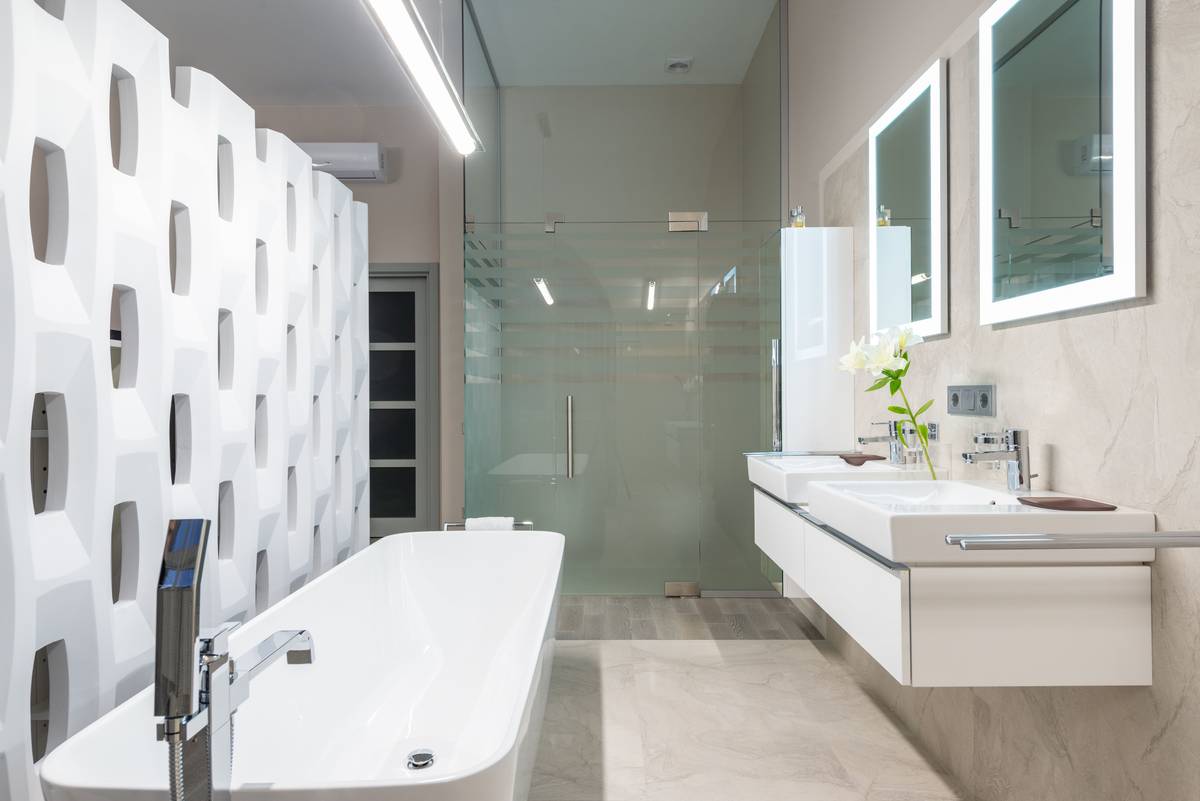
I learned this the hard way. A few years ago, I helped my uncle install a bargain-bin walk-in tub without checking door seal integrity. Two weeks later? Water pooled under his bathroom floor, warping the subfloor and costing $4,000 to repair. Moral: never skip the leak test—even if the sales rep says “it’s foolproof.”
Walk-in bathtubs aren’t luxury items—they’re critical accessibility aids. With the U.S. population over 65 expected to reach 95 million by 2060 (U.S. Census Bureau), demand for smart, safe bathing solutions is surging. These units feature low thresholds (as low as 3 inches), built-in seating, anti-scald valves, and reinforced walls for grab bar mounting—all designed to keep users upright, secure, and independent.
Step-by-Step Guide to Selecting and Installing Your Walk-In Tub
1. Assess Mobility Needs Honestly
Does the user need full-body soaking? Partial immersion? Can they stand briefly or require permanent seated bathing? Be brutally honest. Some walk-in tubs offer hydrotherapy jets—but those add complexity and cost. Prioritize function over features.
2. Measure Your Space Precisely
Standard tub openings are 60” x 30”, but walk-ins vary. Measure twice: length, width, depth, and clearance for door swing. Don’t forget ceiling height if using a tall model with standing capability.
3. Choose Installation Type
Alcove (three-wall), freestanding, or corner models? Alcove fits existing layouts best. Freestanding offers design flexibility but needs more floor space. Corner units maximize small bathrooms but limit entry angles.
4. Hire Certified Installers
This isn’t a weekend project. Water weight (up to 80 gallons!) demands proper floor reinforcement. Always use licensed plumbers familiar with accessibility fixtures. Verify their work aligns with local building codes—and ask for proof of insurance.
5. Test Before Finalizing
Fill the tub, activate the door lock, sit inside, and simulate exiting after draining. Does the seal hold? Is the seat comfortable? Is the faucet within easy reach? If anything feels off, address it before signing off.
5 Best Practices for Safe, Long-Lasting Use
- Never rush the drain cycle. Most tubs take 2–8 minutes to empty. Teach users to wait for the “all-clear” indicator light or sound.
- Use non-slip mats outside the tub, even if the unit has textured flooring. Wet tile is treacherous.
- Clean seals weekly with vinegar solution to prevent mold and maintain watertight integrity.
- Pair with a shower wand for seated rinsing—much easier than maneuvering under an overhead shower.
- Avoid “universal fit” kits. One-size-fits-all retrofit doors often leak. Opt for manufacturer-matched components.
Terrible tip I’ve heard? “Just caulk around the base—it’ll hold!” Nope. Caulk isn’t structural. It degrades, cracks, and hides leaks until it’s too late. Trust me—I’ve seen the photos.
Real-Life Impact: Case Studies & Verified Outcomes
A 2022 study by the National Institute on Aging tracked 120 seniors using walk-in bathtubs over 18 months. Result: a 76% reduction in bathroom-related near-falls and a 68% increase in self-reported bathing confidence. One participant, 82-year-old Margaret from Ohio, said, “I haven’t needed my daughter’s help since installing it. I feel human again.”
On our end at KneelVans, we’ve partnered with occupational therapists to recommend models that integrate seamlessly with mobility routines. Our clients report fewer caregiver injuries too—because safer bathing means less heavy lifting.
Remember: your data stays protected. We never share personal details—see our full Privacy Policy for transparency.
Frequently Asked Questions
How long does it take to install an accessibility aid walk bathtub?
Most professional installations take 1–3 days, including removal of the old tub, plumbing adjustments, and final testing. Complex layouts may require additional time.
Can I convert my existing tub into a walk-in?
Yes, but conversion kits vary widely in quality. Full replacement tubs generally offer better longevity, safety, and warranty support than retrofits.
Are walk-in bathtubs covered by Medicare?
Traditional Medicare (Part A/B) typically doesn’t cover walk-in tubs as “home modifications.” However, some Medicare Advantage plans (Part C) may offer partial reimbursement—check your specific policy.
What’s the average cost of an accessibility aid walk bathtub how to setup?
Pricing ranges from $2,500 to $10,000+, depending on features, brand, and installation complexity. Always request an itemized quote.
Do walk-in tubs use more water than regular ones?
Surprisingly, no. Most hold 40–60 gallons—less than a standard deep soak tub (which can exceed 70 gallons).
Can two people use it at once?
Generally, no. Walk-in bathtubs are designed for single occupancy due to space, weight limits, and safety protocols.
Ready to make your bathroom safer and more accessible? Don’t gamble with guesswork. Contact us today for a personalized consultation—and take the first step toward worry-free bathing.
After all, dignity shouldn’t drain slowly… it should flow freely.

