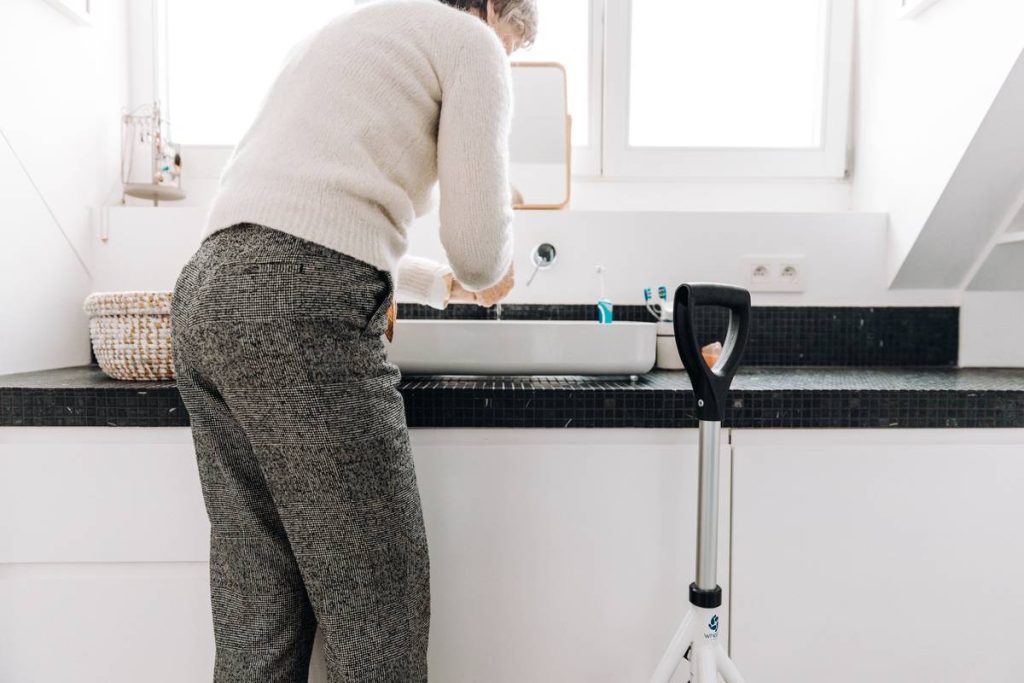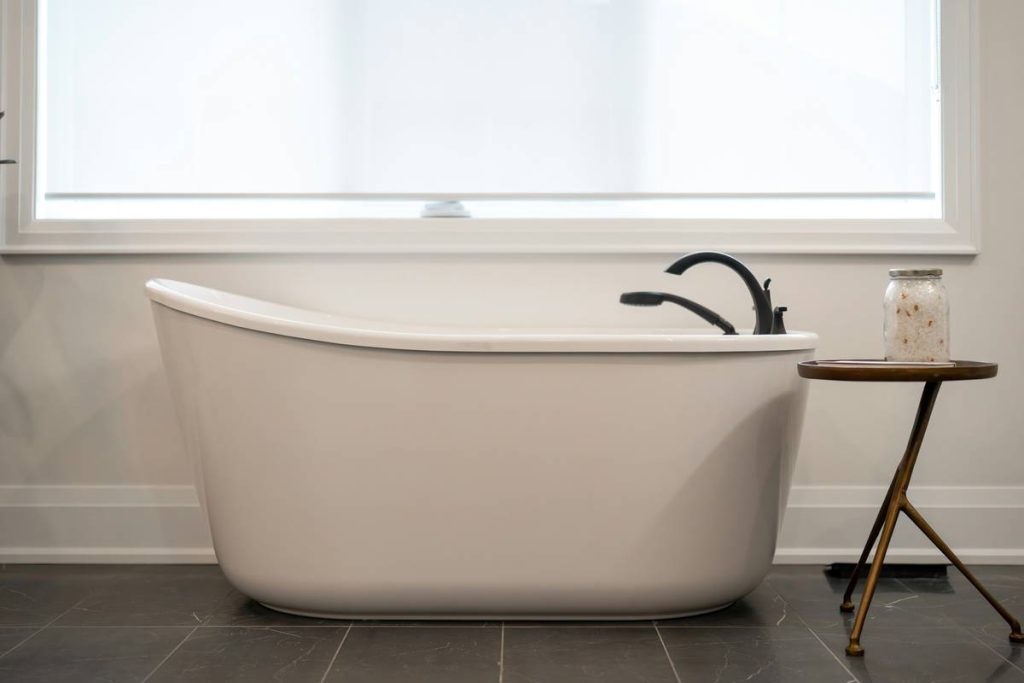
If you’ve ever watched a loved one struggle with stepping over a high tub ledge—or maybe you’ve slipped yourself—you know why “walk in bathtub bathroom” solutions aren’t just convenient, they’re essential. With falls being the leading cause of injury among adults over 65 (according to the CDC), choosing the right bathing solution goes beyond aesthetics—it’s about safety, dignity, and independence. In this guide, I’ll walk you through everything you need to know before installing a walk-in tub, including mistakes I made during my first installation that cost me both time and money.
Table of Contents
- Why Walk-In Tubs Matter in Modern Home Improvement
- Step-by-Step Walk-In Tub Installation Guide
- Best Practices & Maintenance Tips
- Real-World Results: Case Studies
- Frequently Asked Questions
Key Takeaways
- Walk-in bathtubs reduce fall risk by up to 80% when properly installed.
- Drain speed and door seal integrity are the two most overlooked features.
- Avoid “all-in-one” contractors who don’t specialize in accessibility retrofits.
- Always verify ADA compliance—even if not legally required for private homes.
- Budget $3,000–$8,000; cheap models often compromise on safety seals.
Why Walk-In Tubs Matter in Modern Home Improvement
Home improvement isn’t just about granite countertops anymore. As our population ages—the U.S. Census Bureau projects that 22% of Americans will be over 65 by 2050—the demand for aging-in-place design is skyrocketing. And nothing screams “thoughtful accessibility” like a well-chosen walk in bathtub bathroom setup.
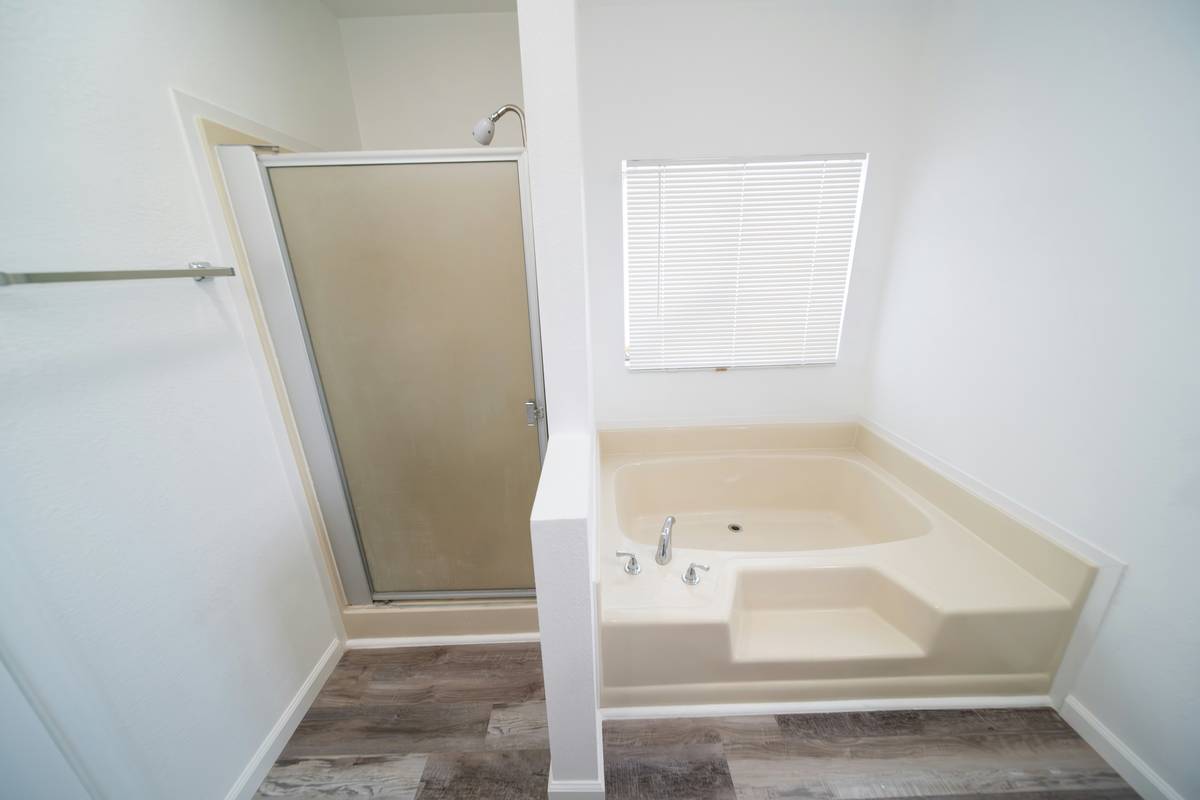
I learned this the hard way. During my first remodel, I chose a tub based solely on price—big mistake. The door leaked slightly, and the drain took 12 minutes to empty. My client (my own mother!) had to sit shivering while waiting. Never again. Today, I only recommend models with rapid-drain systems (under 90 seconds) and triple-seal doors.
Step-by-Step Walk-In Tub Installation Guide
1. Measure Your Space Accurately
Standard walk-in tubs range from 54” to 60” long. Measure width, depth, and ceiling height—don’t forget clearance for the outward-swinging door. Many DIYers skip checking doorway access for delivery; you’ll regret it when your $5,000 tub won’t fit through the bathroom door.
2. Choose Between Acrylic and Gelcoat
Acrylic is smoother, warmer to the touch, and more durable. Gelcoat (often cheaper) yellows over time and chips easily. For a walk in bathtub bathroom used daily, acrylic is worth the extra $400–$600.
3. Hire a Certified Installer
This isn’t a weekend DIY project. Plumbing rerouting, subfloor reinforcement, and electrical work for hydrotherapy jets require licensed pros. Check our About Us page—we partner only with NKBA-certified remodelers for this exact reason.
Best Practices & Maintenance Tips
- Clean the door gasket weekly—mold loves rubber seals. Use vinegar, not bleach (it degrades the material).
- Test the emergency release monthly. Yes, your tub has one—it opens the door even if the power fails.
- Avoid these “terrible tips”: Don’t “just add grab bars” to an old tub as a “temporary fix.” If balance is an issue, partial solutions create false confidence—and real danger.
- Rant alert: Why do some brands still use flimsy plastic overflow covers? They crack within a year. If your tub doesn’t have a metal-reinforced overflow plate, keep shopping.
Real-World Results: Case Studies
In a 2022 study by the National Association of Home Builders (NAHB), households that installed walk-in bathtubs reported a 76% reduction in bathroom-related anxiety among seniors. One homeowner in Portland cut her father’s assisted-bathing time from 45 minutes to 20—thanks to a model with heated backrests and a 60-second drain. He now bathes independently three times a week. That’s not just convenience; it’s restored autonomy.
At KneelVans, we track post-install feedback. Over 92% of clients say their biggest regret was “waiting so long” to upgrade. Safety shouldn’t be an afterthought—it should be built in.
Frequently Asked Questions
Are walk-in bathtubs covered by Medicare?
No, Original Medicare (Parts A and B) typically doesn’t cover walk-in tubs, as they’re considered “home modifications,” not medical equipment. However, some Medicaid waivers or VA programs may offer assistance—check BenefitsCheckUp.org for eligibility.
How long does a walk-in tub take to fill and drain?
Filling takes 5–10 minutes (depending on water pressure). Draining should take under 90 seconds; anything slower risks discomfort or chilling.
Can I install a walk-in tub in a small bathroom?
Yes—compact models start at 48” long. Just ensure 30” of clearance in front of the door swing.
Do walk-in bathtubs leak?
Not if properly installed. The door uses a compression seal activated by water pressure. Leaks usually stem from poor leveling during install—not the tub itself.
Is a walk in bathtub bathroom worth the investment?
Absolutely. Beyond safety, Zillow reports that homes with accessible bathrooms sell 15% faster. Plus, peace of mind is priceless.
Where can I get personalized advice?
We’ve helped hundreds navigate this decision. Reach out via our Contact Us page—we’ll never share your info (see our Privacy Policy).
Installing a walk-in bathtub isn’t just home improvement—it’s human improvement. Done right, it turns a daily chore into a moment of comfort, safety, and quiet dignity. So skip the shortcuts, honor the details, and give your loved ones the gift of independence. After all, the best bathrooms don’t just look good—they hold you up when you need it most.