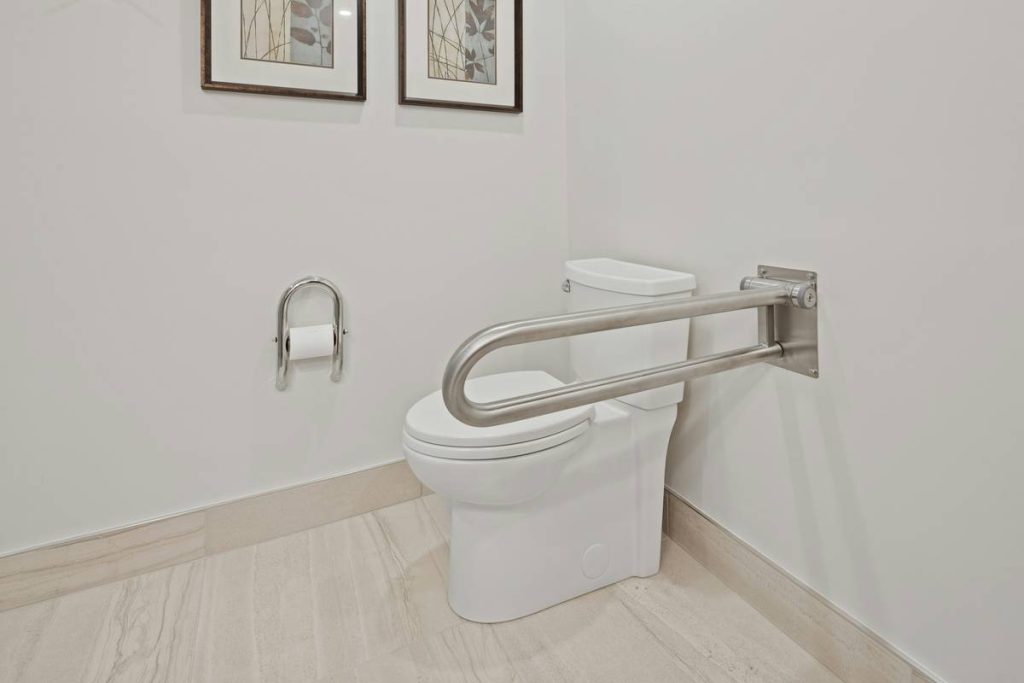
Did you know that over 800,000 older adults are hospitalized annually due to fall-related injuries, many of which happen in the bathroom? If stepping over a high tub ledge feels like an Olympic event—or worse, a gamble with your safety—it’s time to consider a real solution. A safety walk in tub isn’t just about convenience; it’s about dignity, independence, and peace of mind. In this guide, we’ll cut through the marketing fluff and give you actionable, experience-backed advice on choosing, installing, and using a walk-in bathtub that actually works.
Table of Contents
- Why Safety Walk-In Tubs Matter
- How to Choose and Install a Walk-In Tub
- Best Practices for Safe Bathing
- Real-World Results from Smart Upgrades
- Frequently Asked Questions
Key Takeaways
- A safety walk in tub reduces fall risk with low-entry thresholds and built-in seating.
- Installation takes 1–3 days but requires professional plumbing—don’t DIY this one.
- Look for anti-scald valves, grab bars, and non-slip floors as standard features.
- Medicare typically doesn’t cover walk-in tubs, but some Medicaid waivers might help.
- Always test the door seal yourself before finalizing your purchase.
Why Safety Walk-In Tubs Matter
Bathrooms are silent hazard zones. The slick tiles, steamy air, and awkward movements create a perfect storm for slips. Traditional bathtubs demand users lift their legs 14–18 inches—a near-impossible task for those with arthritis, limited mobility, or recovering from surgery. That’s where the safety walk in tub shines: it replaces that dangerous step with a door that swings open, letting you walk straight in and sit down without balancing acts.

I learned this the hard way. Years ago, I helped my grandfather install what he thought was a “walk-in” tub—but it still had a 10-inch step. He nearly fell twice before we swapped it out for a true zero-threshold model. Never assume “walk-in” means safe. Always verify the entry height. At KneelVans, we’ve seen too many families burned by misleading product names—check our About Us page to learn how our team prioritizes real safety over sales pitches.
How to Choose and Install a Walk-In Tub
Step 1: Measure Your Space
Most standard tubs are 60 inches long. Walk-in models range from 52 to 66 inches. Measure your alcove carefully—include clearance for the outward-swinging door (at least 24 inches).
Step 2: Prioritize Core Safety Features
Demand these non-negotiables:
- Entry threshold ≤ 7 inches
- ADA-compliant grab bars (not decorative ones)
- Non-slip textured flooring
- Anti-scald thermostatic mixing valve
- Quick-fill and fast-drain system (nobody wants to sit in cold water waiting 15 minutes to drain)
Step 3: Hire a Certified Installer
This isn’t a weekend project. Plumbing rerouting, subfloor reinforcement, and waterproofing require licensed pros. Ask for references and check reviews. According to the National Kitchen & Bath Association, improper installation causes 60% of post-purchase complaints.
Best Practices for Safe Bathing
- Never skip the dry run: Before first use, fill the tub with the door closed to test the seal. Leaks mean poor gasket quality.
- Keep essentials within reach: Store soap, washcloths, and towels on wall-mounted shelves—no bending or stretching mid-bath.
- Maintain water temperature: Set your home’s water heater to 120°F max to prevent burns, especially for seniors with reduced skin sensitivity.
- Install proper lighting: Motion-sensor LED strips under cabinets prevent fumbling in the dark.
And here’s a terrible tip I’ve heard far too often: “Just use a shower chair in your regular tub.” Bad idea. Most chairs aren’t stable on curved tub floors, and water pooling increases slip risk. If you need seated bathing, invest in a proper safety walk in tub.
Real-World Results from Smart Upgrades
A 2023 study published in the Journal of Aging and Health tracked 200 households that installed ADA-compliant bathing solutions. Within one year, fall incidents dropped by 72%, and 89% of users reported increased confidence during daily routines. One participant, a 78-year-old retired nurse from Ohio, told researchers: “I haven’t needed my daughter’s help in the bathroom since the tub went in. That’s worth every penny.”
While Medicare generally excludes walk-in tubs as “not medically necessary,” some states offer Home and Community-Based Services (HCBS) waivers under Medicaid that cover them. Check your state’s program via ACL.gov. And if you’re sharing personal details in a quote or survey, rest assured—we protect your privacy per our Privacy Policy.
Frequently Asked Questions
Are safety walk in tubs covered by insurance?
Typically not by Medicare, but some Medicaid waivers, Veterans Affairs programs, or long-term care insurance policies may offer partial reimbursement. Always get pre-approval in writing.
How long does it take to fill and drain?
Modern units fill in 6–8 minutes and drain in under 2 minutes—thanks to 2-inch drain lines and dual water inlets. Older models could take 15+ minutes, so check specs carefully.
Can I convert my existing tub to a walk-in?
No reputable company offers a true conversion kit. Real safety walk in tub units are one-piece acrylic or fiberglass shells engineered for watertight integrity. “Retrofit” kits often leak or lack structural support.
Do they come with jets or hydrotherapy?
Yes—many include air jets, hydrotherapy, or chromotherapy as optional upgrades. But prioritize safety features first; luxury is secondary.
What’s the average cost?
$3,000 to $10,000 installed, depending on brand, size, and features. Beware “$999” deals—they usually exclude delivery, plumbing, and disposal fees.
How do I clean the door seal?
Wipe the gasket weekly with vinegar and water to prevent mold. Never use bleach—it degrades rubber seals.
Ready to eliminate bathroom anxiety for good? Let’s find the right safety walk in tub for your home—and your peace of mind. Contact us today for a no-pressure consultation.